Bali Travel Essentials for Australian Families: SIM Cards, Cards & Smart Travel Tips
For many Australians, Bali is the ultimate family holiday destination. With its short flight time from Australia, beautiful beaches, family-friendly villas, and affordable food, it’s no surprise that thousands of Australian families visit Bali every year.
Whether you’re planning your first trip or returning for another relaxing escape, a little preparation can make your holiday far smoother.

Bali travel Tips: Before you land in Bali, it’s important to understand a few travel essentials — especially when it comes to staying connected and managing your money. Knowing which SIM card to buy, what travel cards work best, and how payments work in Bali can save you time, stress, and unnecessary costs during your trip.
As parents, the thought of navigating a new country without Google Maps, trying to find your hotel with hangry kids, or realizing you can’t book a Gojek (Bali’s version of Uber) is enough to bring on a holiday sweat. Trust us, a reliable internet connection isn’t just a convenience in Bali – it’s your lifeline.
So, how do you sort out your mobile data when heading to the Island of Gods without getting ripped off or wasting precious holiday time? Let’s break it down for Australian families.
Why You Really Need a Local SIM (or eSIM!) in Bali

You might think hotel Wi-Fi and international roaming will be enough, but honestly, it often leads to frustration. Hotel Wi-Fi can be patchy, slow, and non-existent when you need it most. Roaming, while convenient for a brief message, quickly racks up eye-watering bills for anything more substantial.

One of the first things many travellers do after landing in Bali is buy a local SIM card. Having mobile data makes it easy to order transport, navigate with maps, message villa hosts, or look up restaurants.
The two most reliable mobile networks in Bali are Telkomsel and XL Axiata. Both offer strong coverage across popular areas like Seminyak, Canggu, Ubud, and Nusa Dua.
Many travellers purchase a SIM card directly at Ngurah Rai International Airport, but airport kiosks tend to be more expensive. A better option is to visit a small phone shop or convenience store on.
Typical tourist SIM packages include:
- 25GB to 50GB of data
- Valid for 30 days
- Costing roughly AUD $10–$20
Staff usually help set up the SIM and activate the data for you. Just remember to bring your passport, as Indonesian regulations require SIM cards to be registered to an ID.
If you want to skip the hassle altogether, some travellers now choose eSIM options from providers like KLOOK, which can be activated before you leave Australia.
TIP: Use my 5% off code TRAVELEEKLOOK when buying esim on klook.com
The Best Payment Cards to Use in Bali
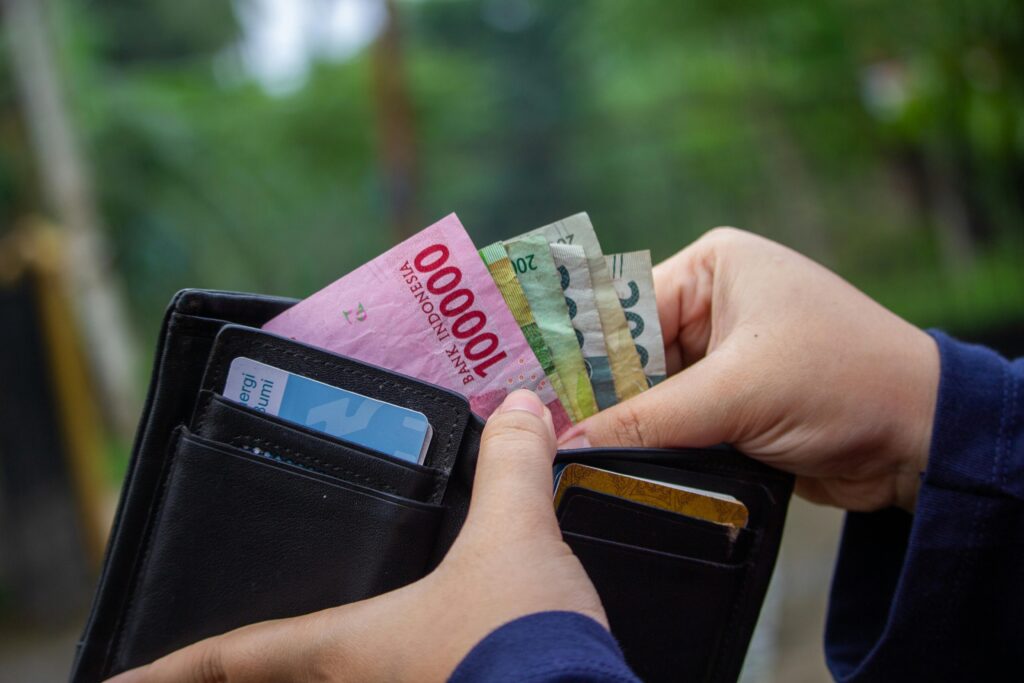
Cash is still common in Bali, but many places now accept cards. Restaurants, beach clubs, supermarkets, and spas typically allow contactless payments.
Australian travellers often bring a travel card or debit card that avoids foreign transaction fees. Popular options include Wise and Revolut, both known for competitive exchange rates.
Here are a few smart money tips:
- Bring two cards, just in case one gets blocked or lost.
- Notify your bank before travelling to avoid security blocks.
- Use ATMs attached to banks rather than standalone machines.
The Indonesian currency is the Indonesian Rupiah, and the large numbers can take a little getting used to. For example, 100,000 rupiah is only around AUD $10.
Useful Apps for Families Visiting Bali
Mobile apps can make travelling around Bali significantly easier.
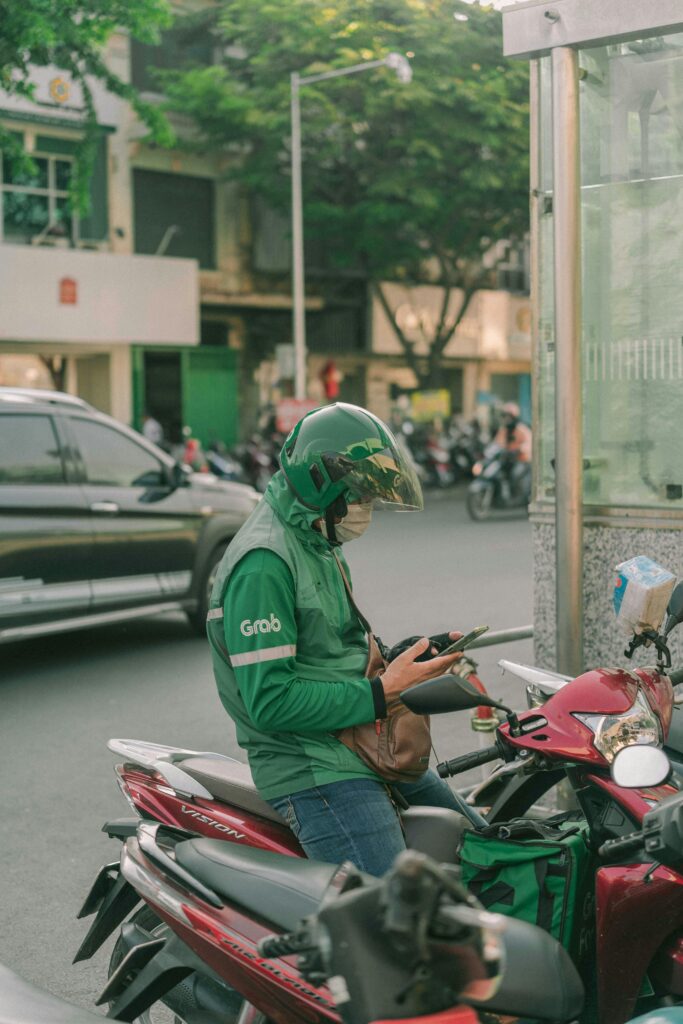
Ride-hailing apps like Grab and Gojek are widely used for taxis, food delivery, and even grocery runs.
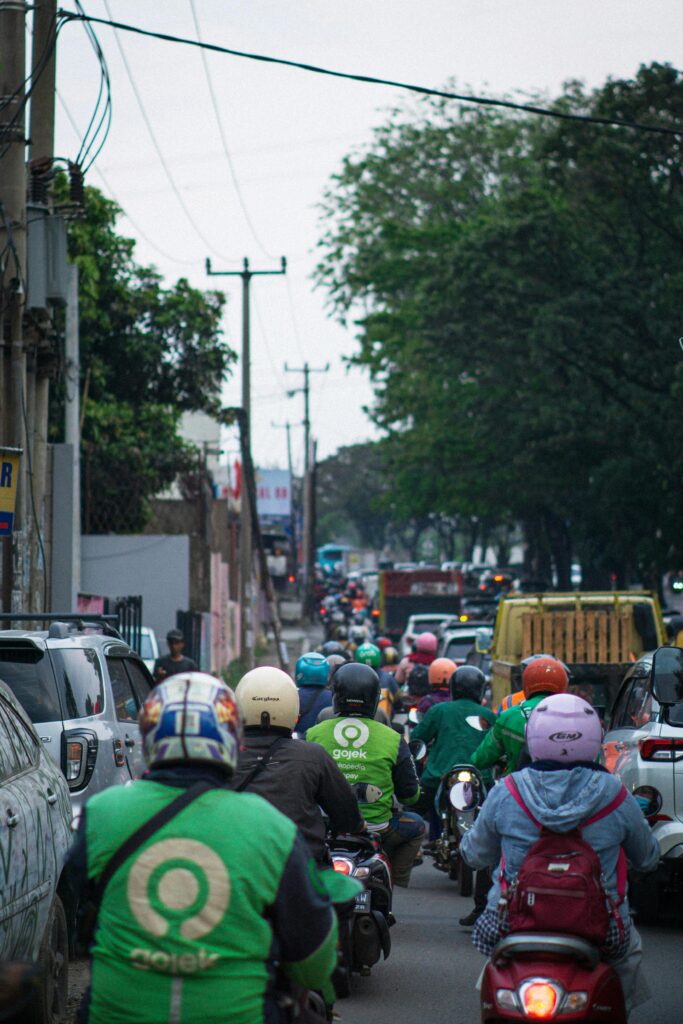
They’re usually cheaper than traditional taxis and are very convenient when travelling with children.
Download these apps before your trip so you can set them up quickly once your SIM card is active.
Practical Do’s for Families
A few small habits will make your Bali holiday smoother.
First, drink only bottled or filtered water. Even locals avoid tap water, and most villas provide large water dispensers.
Second, carry small cash notes. Local markets, small warungs (local eateries), and drivers often prefer cash.
Third, plan your outings around Bali’s traffic. Short distances can sometimes take longer than expected, especially during peak hours.
Finally, book family activities ahead of time during peak seasons. Popular attractions, beach clubs, and day tours can fill up quickly during Australian school holidays.
Things to Avoid in Bali
There are also a few common mistakes first-time visitors make.
Avoid exchanging money with random street vendors offering “too good to be true” exchange rates. Stick to licensed money changers or withdraw cash from ATMs.
Another mistake is overpacking. Bali is warm year-round, and most travellers end up living in light clothing, sandals, and swimwear.

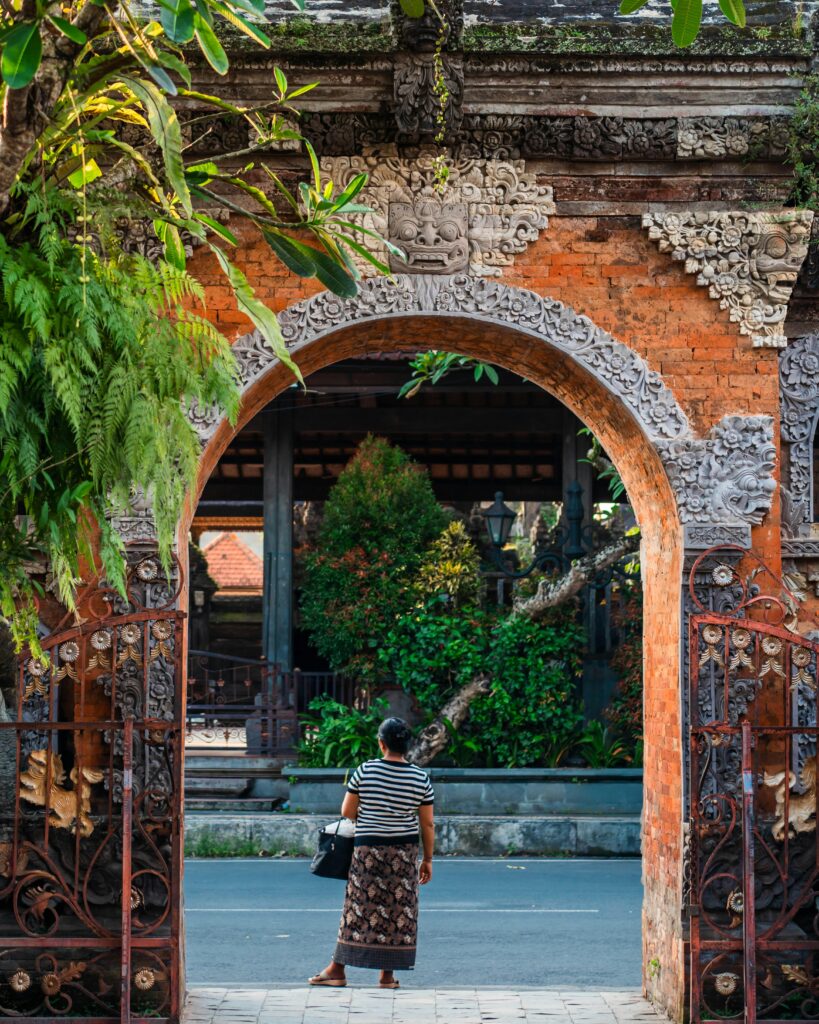
Also remember that Bali is culturally rich and deeply spiritual. When visiting temples, modest clothing is required, and many temples provide sarongs for visitors.
Bali remains one of the easiest international destinations for Australian families. With affordable accommodation, welcoming locals, and endless activities for kids and adults alike, it’s no surprise so many travelers return year after year.